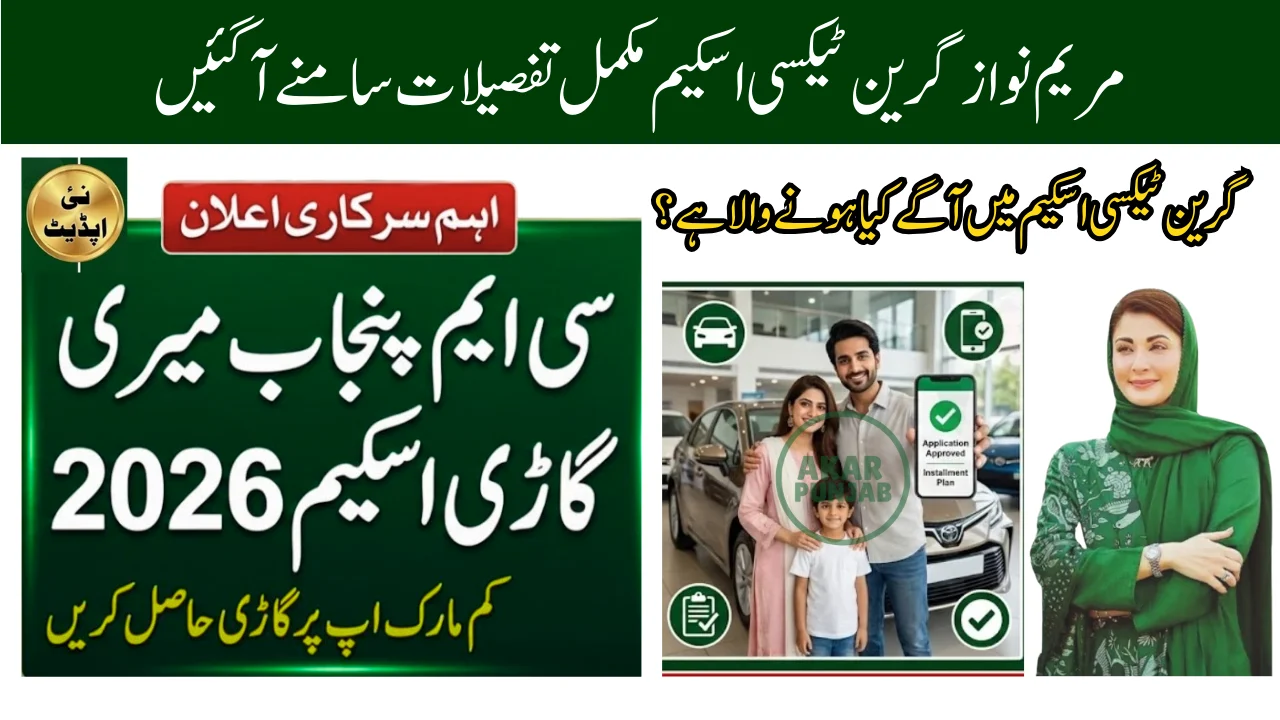

Maryam Nawaz Green Taxi Scheme 2026 is being seen as one of the most forward-looking initiatives introduced in Punjab in recent years. The scheme focuses on two major national challenges at the same time: unemployment among youth and rising environmental pollution caused by fuel-based transport. By introducing electric taxis on easy and supportive terms, the government aims to create sustainable income opportunities while promoting clean and modern transportation.
In my opinion, this scheme is not just about taxis or electric vehicles. It reflects a broader shift toward green jobs, lower transport costs, and future-ready mobility. That is why the Punjab Green Taxi Scheme 2026 is trending strongly and gaining attention across news platforms and public discussions.
What Is Maryam Nawaz Green Taxi Scheme 2026?
The CM E-Taxi Scheme 2026 is a government-backed program designed to provide battery-powered electric taxis to eligible individuals so they can earn a living through transport services. These vehicles run without petrol or diesel, reducing both fuel expenses and environmental damage.

The scheme has been announced under the leadership of Maryam Nawaz Sharif and is being introduced by the Government of Punjab as part of its clean energy and employment vision.
I personally like this initiative because it turns technology into opportunity instead of burden.
Why the Green Taxi Scheme Is Important in 2026
Transport costs are rising, fuel prices remain unpredictable, and air quality in cities continues to worsen. At the same time, thousands of people depend on driving-based work for survival. The CM Green Taxi Scheme 2026 directly addresses these realities.
Why This Scheme Matters
- Reduces fuel dependency
- Lowers daily running costs for drivers
- Creates self-employment opportunities
- Supports cleaner and quieter cities
Electric taxis help drivers save money every day, which improves income stability.

How Electric Taxis Support Long-Term Income
One of the most common questions people ask is whether electric taxis can actually support a household. From my experience, electric vehicles offer clear financial advantages.
Income Benefits for Drivers
- No fuel expense
- Lower maintenance cost
- Better daily profit margins
- Suitable for ride-hailing and local taxi services
This makes the CM Punjab eTaxi Scheme especially attractive for people already familiar with driving.
Environmental Impact of the Green Taxi Scheme
Beyond employment, the scheme plays a key role in environmental protection.

Expected Environmental Benefits
- Reduced air pollution
- Lower carbon emissions
- Less noise pollution
- Support for clean energy goals
I believe even a partial shift from fuel-based taxis to electric ones can make a noticeable difference in city air quality.
Who Is Expected to Benefit the Most
The scheme is designed to be inclusive and practical.
Target Beneficiaries
- Unemployed youth
- Daily wage drivers
- Low-income households
- Working women seeking safe income options
This focus shows that the Maryam Nawaz Taxi Scheme is meant for real working people, not large investors.
How This Scheme Is Different From Traditional Taxi Programs
Unlike older transport initiatives, this scheme is built around sustainability.

What Makes It Different
- Electric vehicles instead of fuel-based
- Lower operating costs
- Government-backed structure
- Long-term environmental vision
In my opinion, this future-focused thinking makes the scheme more valuable.
Public Interest and Search Trends
Search trends show people are now asking:
- Will electric taxis be affordable?
- Can drivers earn enough without fuel?
- Will the scheme expand to more cities?
This curiosity shows why the Punjab e Taxi Scheme 2026 continues to trend across discovery platforms.
Long-Term Vision Behind the Scheme
The broader aim is to:
- Modernize transport
- Promote green jobs
- Reduce pollution
- Encourage electric vehicle adoption
If implemented properly, this scheme could become a foundation for Punjab’s electric transport future.

Final Thoughts
The Maryam Nawaz Green Taxi Scheme 2026 combines employment, technology, and environmental responsibility in one policy. By offering electric taxis as income tools, the government is taking a step toward cleaner cities and stronger livelihoods.
In my view, this scheme has the potential to create lasting impact if transparency and consistency are maintained.

